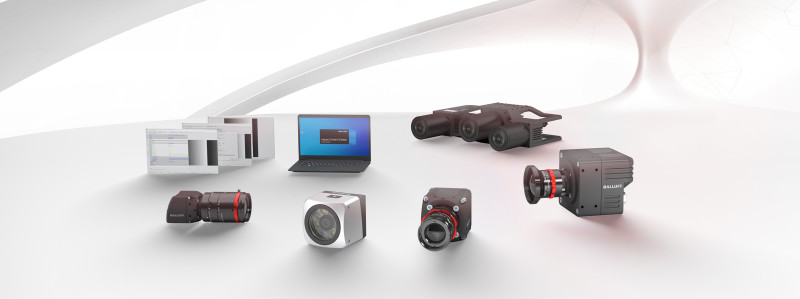
Machine vision
Turn an image into an inspection decision.
Combine camera, lens, lighting and image processing to inspect parts or read codes. The Balluff portfolio includes technologies originating from Matrix Vision.


Real operating challenges.
Technologies to address them.
From sensor data to quality control: explore the principles, applications and criteria behind a sound technical selection.
Explore the topics ↓Acquire the signal
Transmit the context
Decide using evidence
Explore technologies and their applications to inform your technical choices.
Turn an image into an inspection decision.
Combine camera, lens, lighting and image processing to inspect parts or read codes. The Balluff portfolio includes technologies originating from Matrix Vision.

One sensing function. More context.
Balluff SAMS devices combine their primary function with diagnostics and, depending on the model, condition data or onboard processing. IO-Link exposes the supported data.
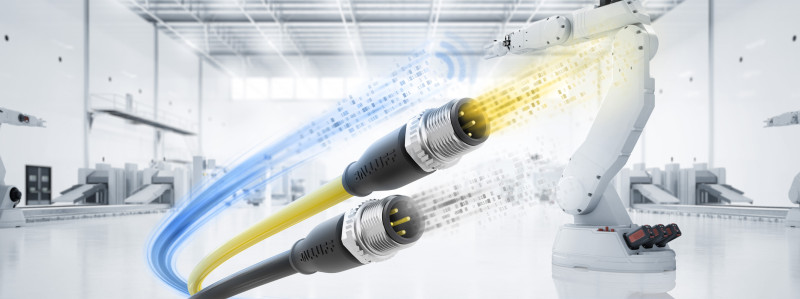
Make sensor data accessible.
A bidirectional digital link connects each device to an IO-Link master. Process values, parameters and diagnostics become available to control and maintenance systems.
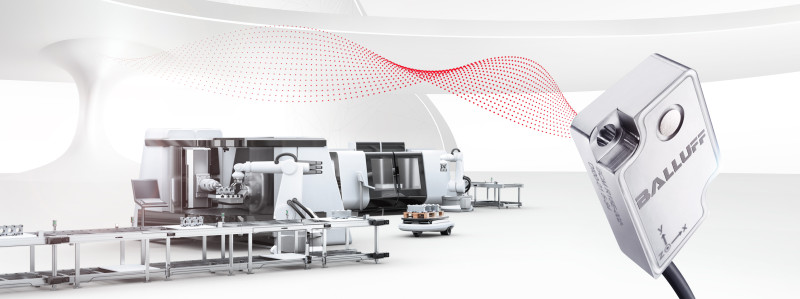
Observe changes before acting.
Track vibration, temperature and other device-supported variables, then compare trends with operating conditions. Alerts support maintenance based on actual equipment condition.
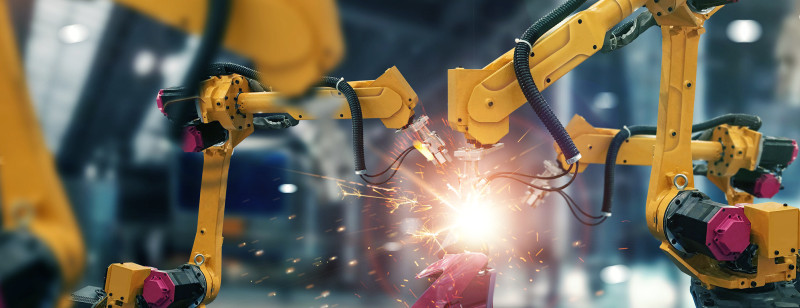
Select for the welding station.
In welding cells, sensors, cables and accessories face spatter, heat and sometimes strong magnetic fields. Selection must address each condition separately.

Connect data to a defined use.
Build a chain from sensing and identification through industrial networks to monitoring applications. Start with a measurable need: traceability, diagnostics or format changes.
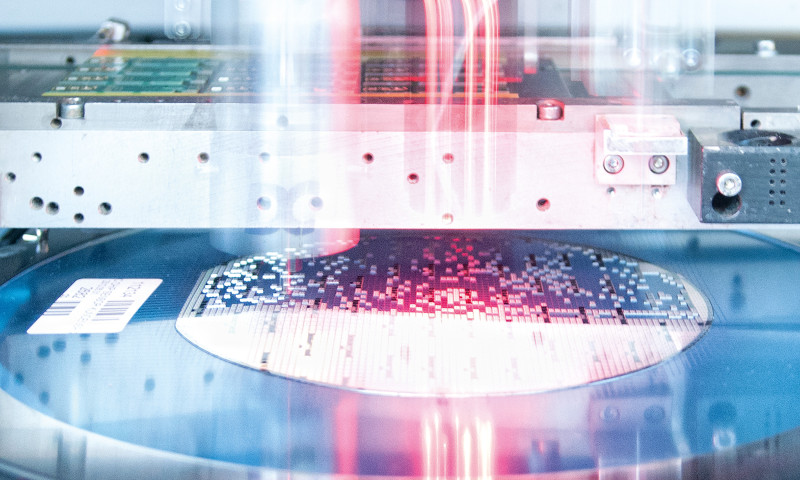
Fit sensing into the available space.
Miniature sensors, compact connectors and small identification components support integration in grippers, tooling and densely packed machines.
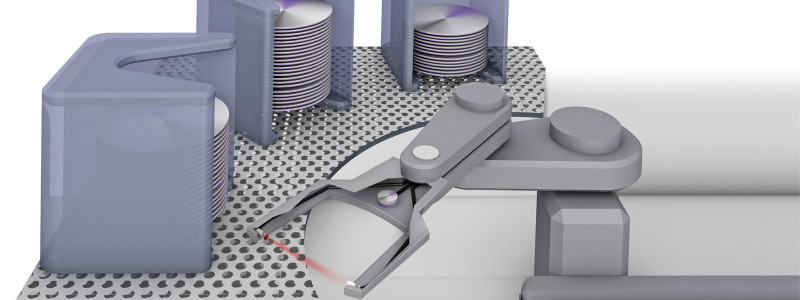
Concentrate the optical function.
Balluff MicroSPOT uses miniature emitter and receiver components within the Micromote range for optical sensing in restricted spaces.
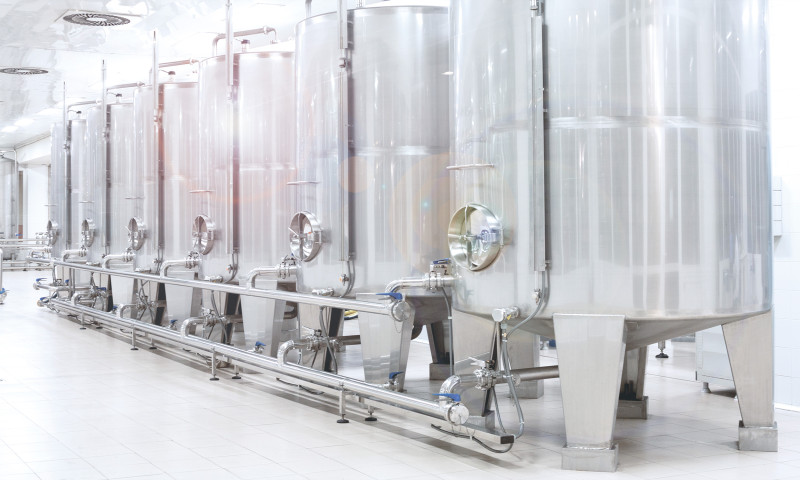
Separate point detection from continuous measurement.
A point-level sensor detects a minimum or maximum limit; continuous measurement tracks fill level over time. Select the principle for the material, vessel and process conditions.
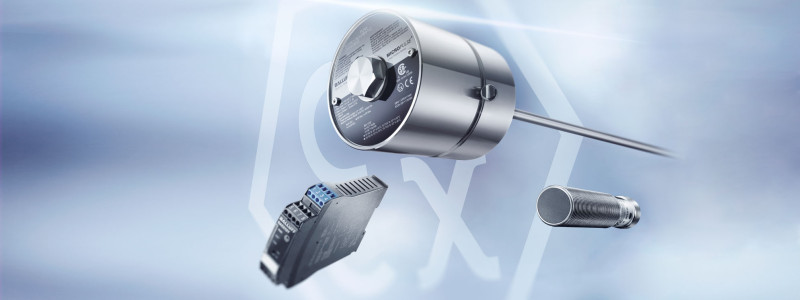
Select against the zone classification.
Position or level sensing in a potentially explosive atmosphere requires equipment and installation suited to the identified hazard. Suitability must be checked for the exact model.
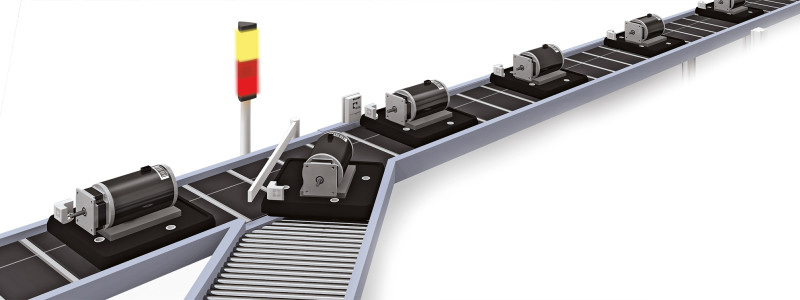
Detect deviations at the right point.
Combine presence checks, measurement, code reading or RFID to verify assembly steps and associate results with a part or carrier.
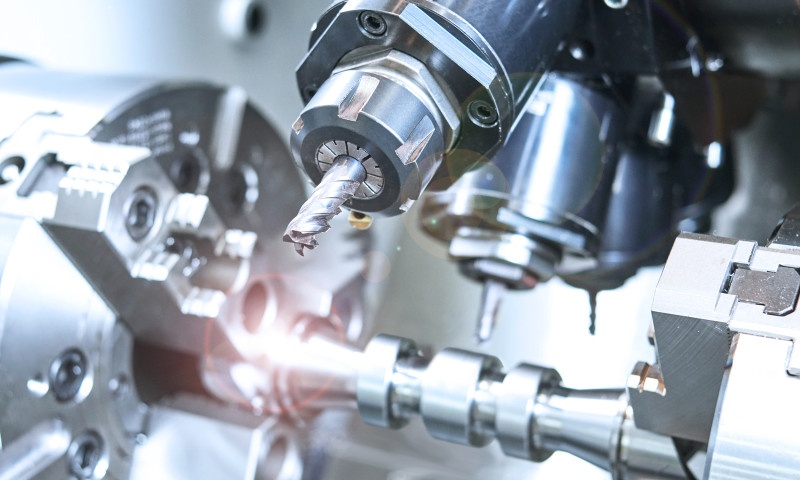
Qualify the complete sensing chain.
Heat, shock, vibration and aggressive fluids can affect both sensors and connections. Select a housing, cable and accessories compatible with actual exposure.
Share the required function, throughput, operating environment and machine interfaces. These details guide component selection.