Operations
Track stoppages and their causes.

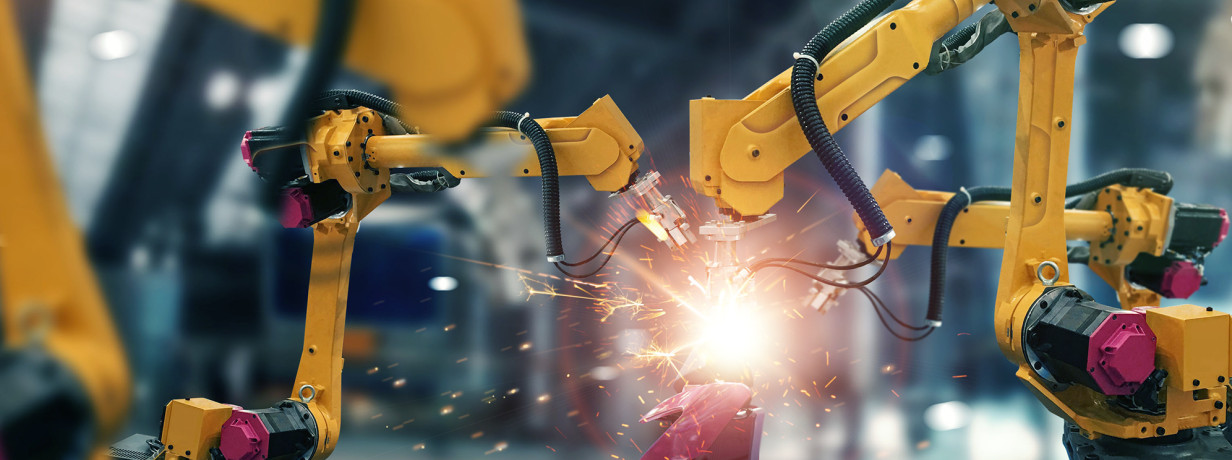
Sensors, networks and connections: a coordinated selection for automated and robotic welding cells.
Explore the solutions ↓Balluff Weld Select addresses welding conditions. Analysing failures helps guide component selection and maintenance actions beyond purchase price alone.
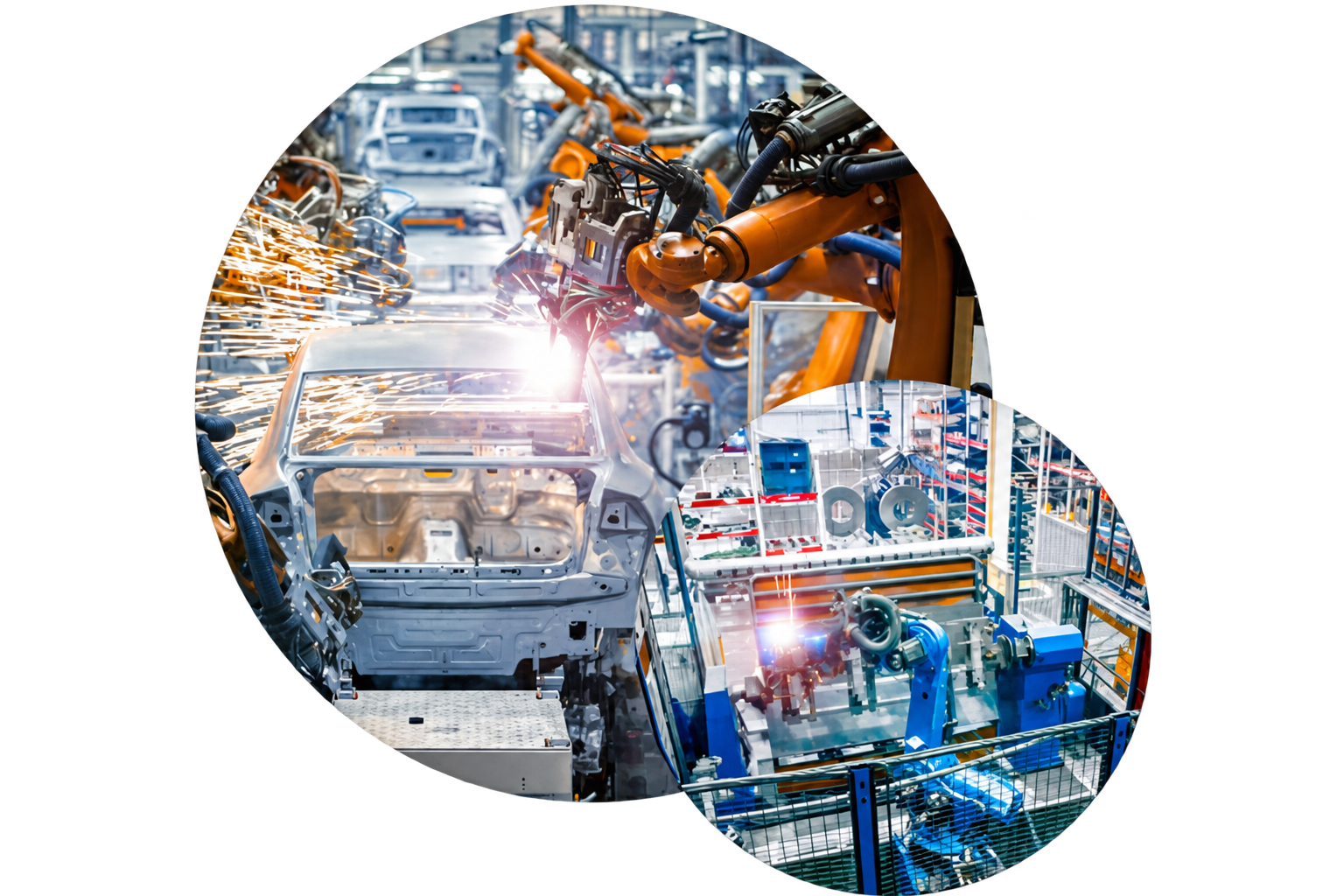
Track stoppages and their causes.
Qualify station conditions.
Plan components into the design.
Simplify diagnostics and replacement.
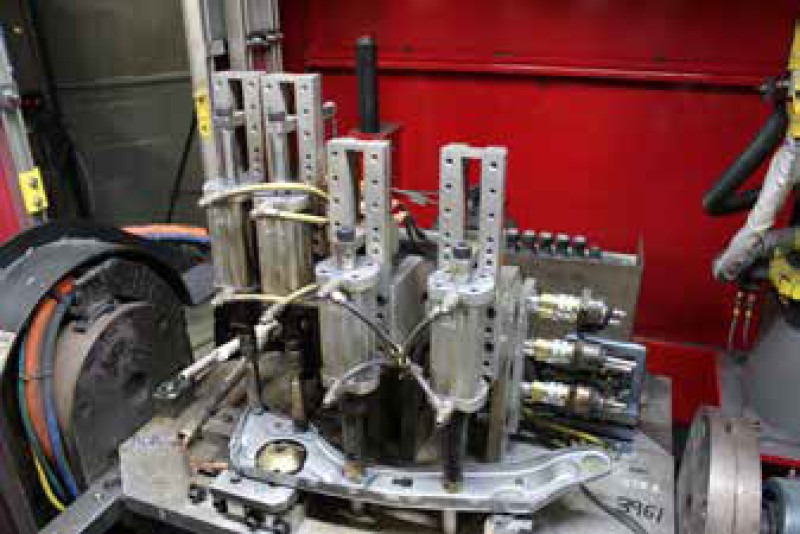
Match sensing to nut geometry and position.
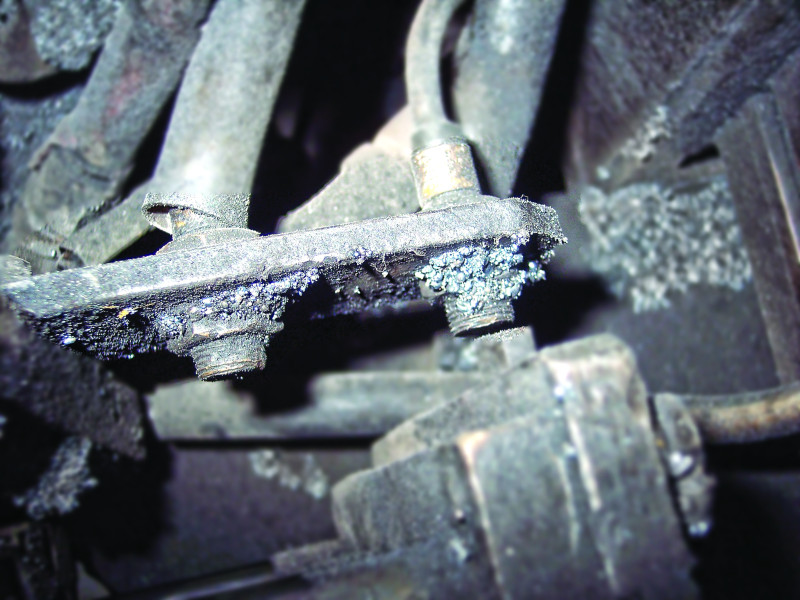
Separate housing protection from field immunity.
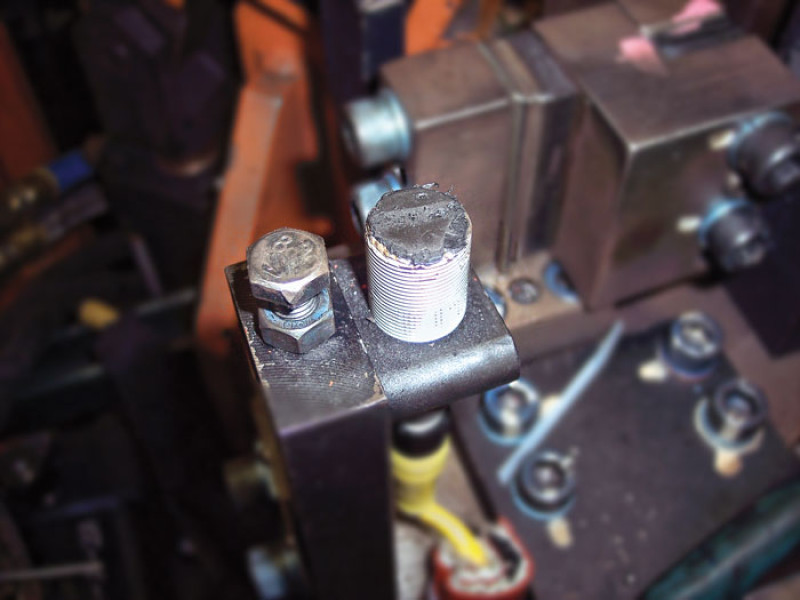
Allow for mounting and mechanical loads.
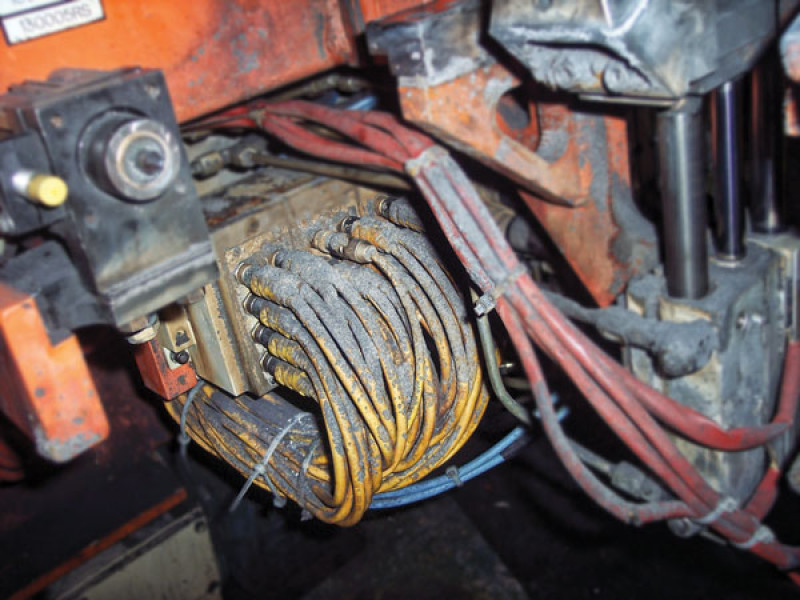
Match jackets and connectors to their exposure.
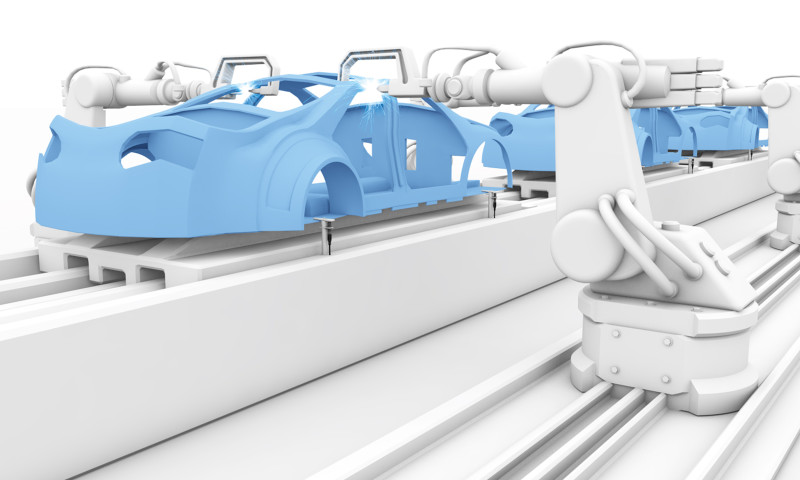
Welding-suitable inductive sensors monitor holding-device status. Depending on the model, factor 1 versions detect different metals at a consistent range. Verify coating and welding-field immunity separately.
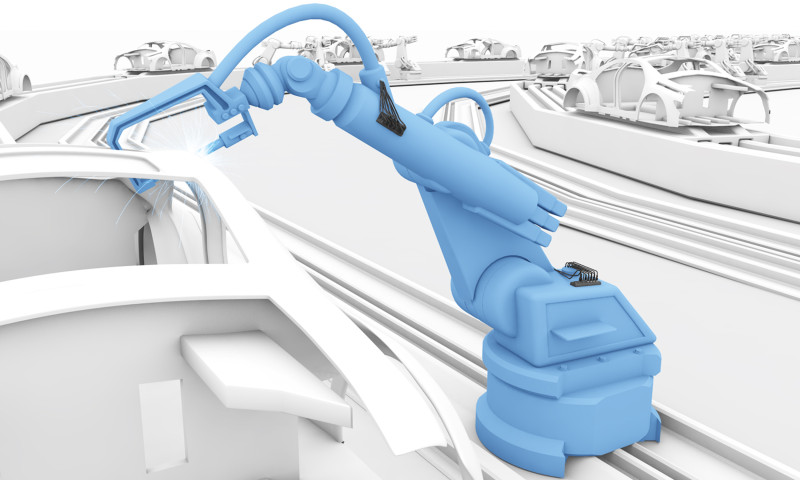
Welding-suitable IO-Link masters and hubs collect signals near equipment. Compare spatter resistance, electromagnetic compatibility and port configuration for the selected models.
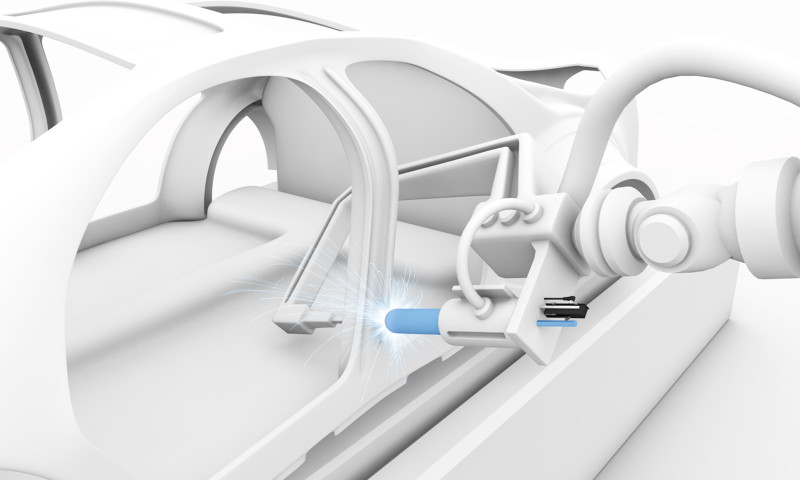
Contactless inductive position sensing supplies feedback to the station controller. Match active stroke, installation space and target to the welding-gun mechanics.
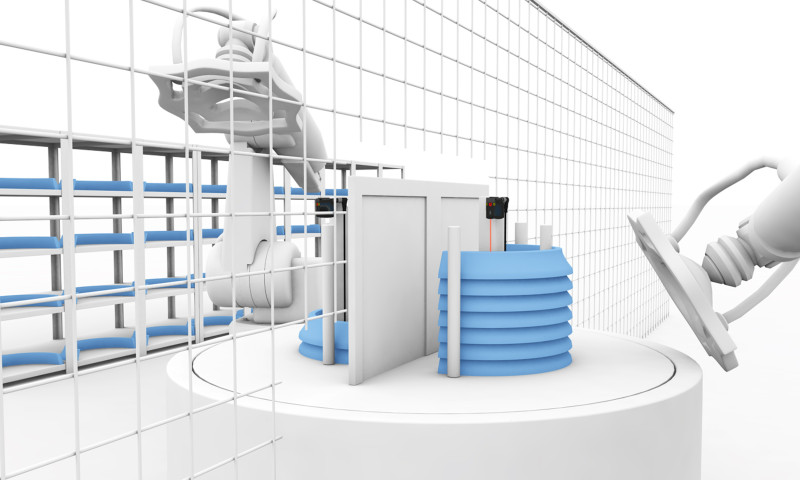
Optical sensing tracks stack height to manage part availability. Account for surface properties, distance and lighting to stabilise detection.
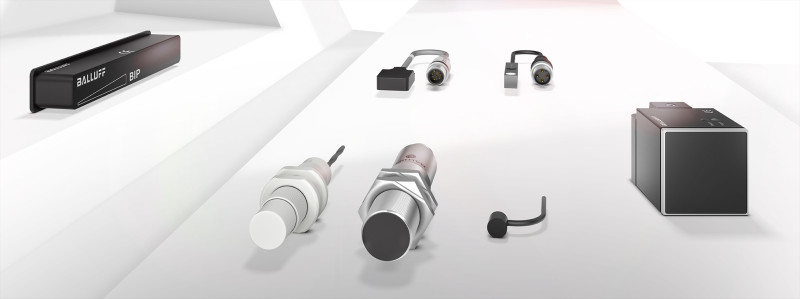
Select range, target and field-resistant version for the station.
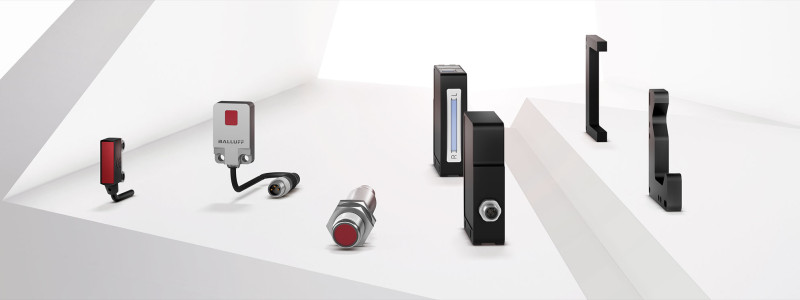
Match the sensing principle to the material flow and target.
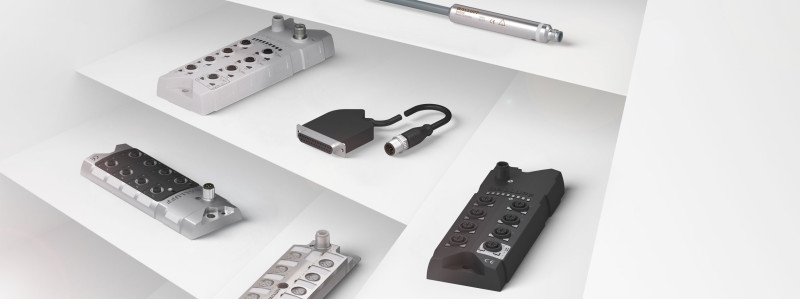
Collect signals and access diagnostics from compatible devices.
Explore IO-Link ↗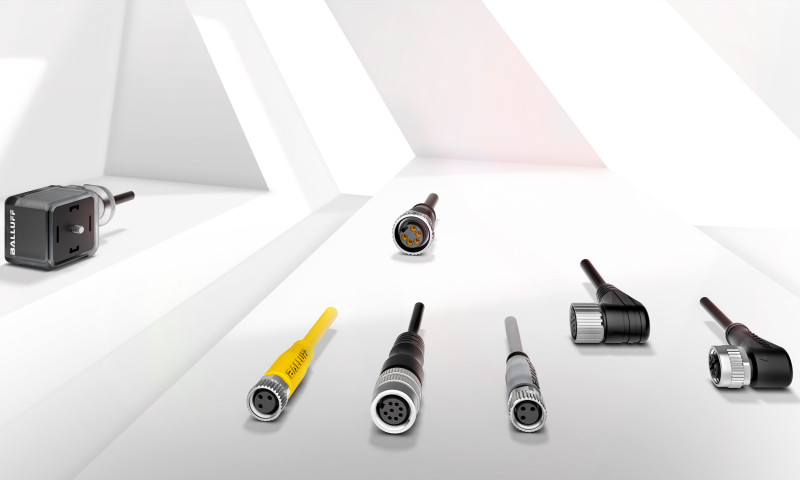
Check jacket, connectors, temperature and spatter protection.
Sensor selection, cost analysis, maintenance audits and opportunities to improve OEE.
Open the Balluff guide (PDF) ↗Share references, required functions, observed failures and mounting constraints to prepare a suitable component selection.